
Ford Ranger Electrical Problems: Complete Diagnostic Guide
Quick Info
Estimated Repair Cost
Estimated Repair Time
Key Takeaways
| Problem | Severity | Typical SA Cost (ZAR) |
|---|---|---|
| Battery Drain | High | R1,500 – R2,500 (battery) |
| Charging System / Alternator | High | R3,800 – R7,000 |
| Starting Problems | High | R3,100 – R5,200 |
| Lighting Faults | Medium | R800 – R2,500 |
| Central Locking Issues | Medium | R1,000 – R1,900 |
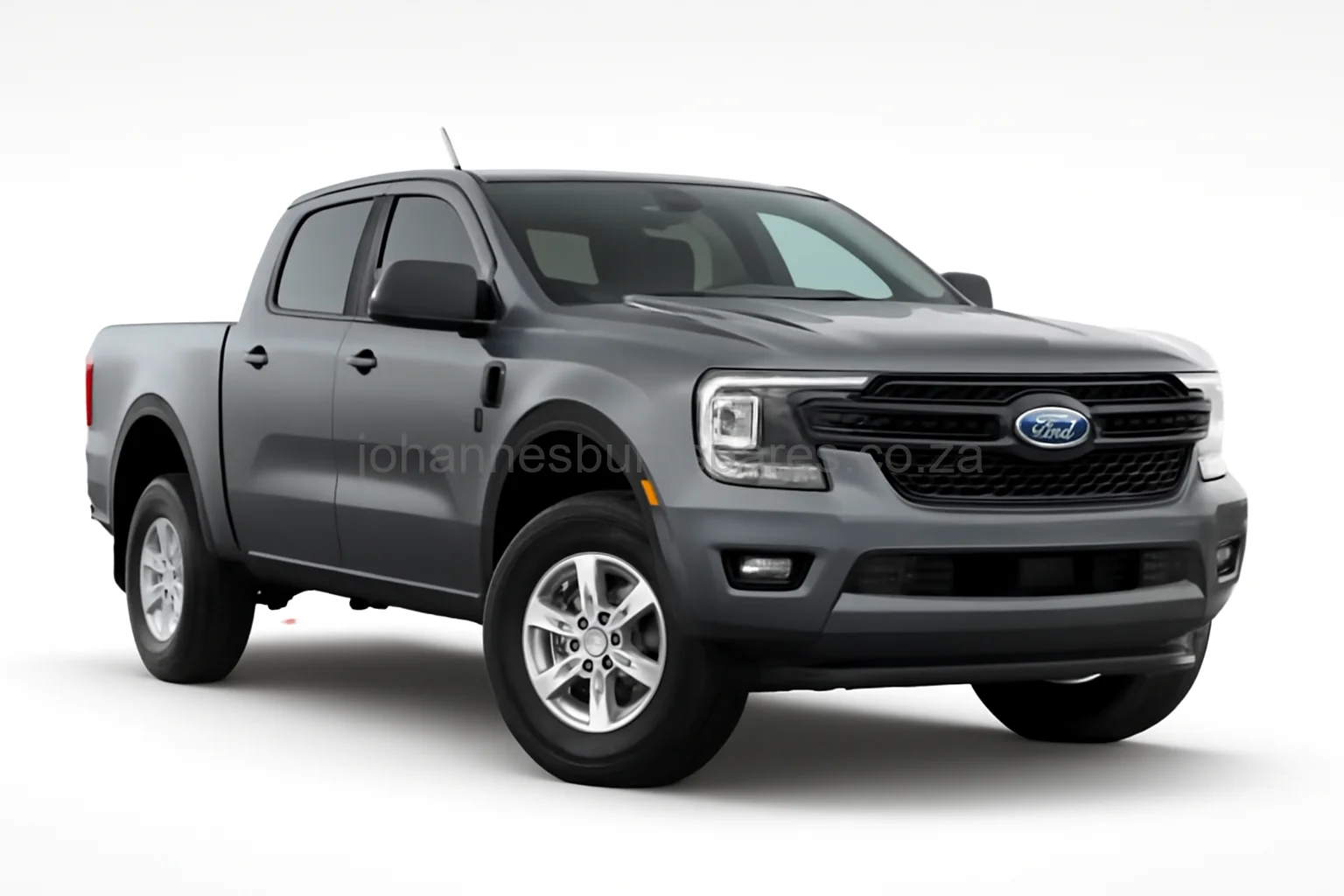
The Ford Ranger is one of South Africa’s best-selling bakkies, known for its robust construction and reliability. However, like all modern vehicles, Rangers incorporate complex electrical systems that can develop problems over time. SA Ranger owners encounter five well-documented electrical fault clusters — and recognising the early signs can prevent a minor fault from cascading into a major repair bill. For a full view of available components, browse the Ford Ranger parts catalogue.

Ford Ranger Electrical System Overview
| Component | Specification |
|---|---|
| Battery | 12V, 70Ah (standard) / 95Ah (heavy duty) |
| Alternator | 150A (2.2L) / 180A (3.2L) |
| Starter Motor | Gear reduction type |
| ECU Protection | IP67 rated (water resistant) |
| CAN Bus | High-speed data network |
| Fuse Box | Engine bay and cabin locations |
1. Battery Drain
Battery drain is the single most frequently reported Ranger electrical complaint across SA owner forums — and it manifests in ways that can be hard to pin down without a systematic approach.
Causes
- Parasitic electrical drain from faulty components
- Alternator not charging properly
- Faulty battery cells or degraded connections
- Aftermarket accessories drawing power when the vehicle is off
Symptoms
- Battery goes flat overnight or after sitting idle for two or more days
- Slow engine cranking, especially in cold highveld mornings
- Electrical components dim or fail to operate
- Battery warning light on dashboard

Solution
- Test parasitic draw: Use a multimeter to measure current drain with the vehicle off — normal is under 50mA; anything over 100mA warrants investigation
- Check alternator output: Ensure 14.2–14.8V at the battery terminals with the engine running
- Battery load test: Verify the battery can hold charge under load (most Midas and Tiger Wheel & Tyre branches will test free of charge)
- Inspect connections: Clean and tighten battery terminals — SA dust and humidity accelerate terminal corrosion
DIY Difficulty: Medium | Time: 2–3 hours
Diagnostic Tip
Normal parasitic draw should be under 50mA. Higher readings indicate a component staying active when the vehicle is off. Pull fuses one by one with the multimeter in circuit to identify the culprit without guesswork.
2. Charging System Issues
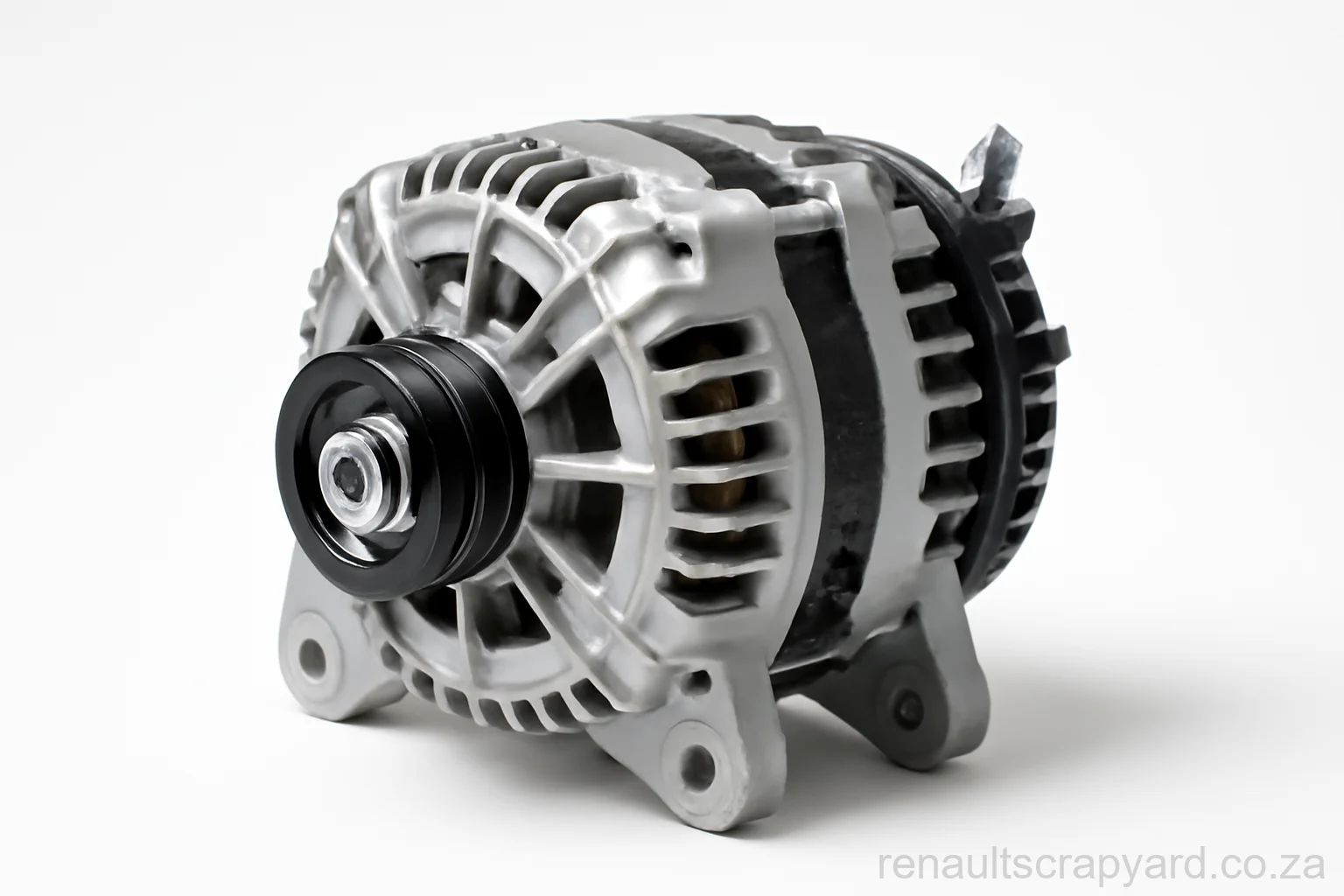
The alternator keeps the battery topped up while the engine runs and powers all electrical loads in motion. When it starts to fail, the symptoms creep in gradually — until the battery is too depleted to start the engine.
Causes
- Worn alternator brushes or slip rings
- Faulty voltage regulator
- Loose or corroded wiring connections
- Defective alternator diodes
Symptoms
- Battery warning light illuminated
- Headlights dim at idle, brighten when revving
- Electrical accessories operate slowly or intermittently
- Battery repeatedly goes flat despite being new
Solution
- Alternator output test: Check voltage (should be 14.2–14.8V) and amperage output with the engine running at 2,000 rpm
- Belt tension check: Ensure the alternator drive belt is properly tensioned — a slipping belt causes under-charging even with a good alternator
- Connection cleaning: Remove corrosion from all connection points including the B+ terminal on the alternator
- Alternator replacement: If output is insufficient or erratic, browse our Ranger alternator stock
DIY Difficulty: Hard | Time: 3–4 hours
3. Starting Problems
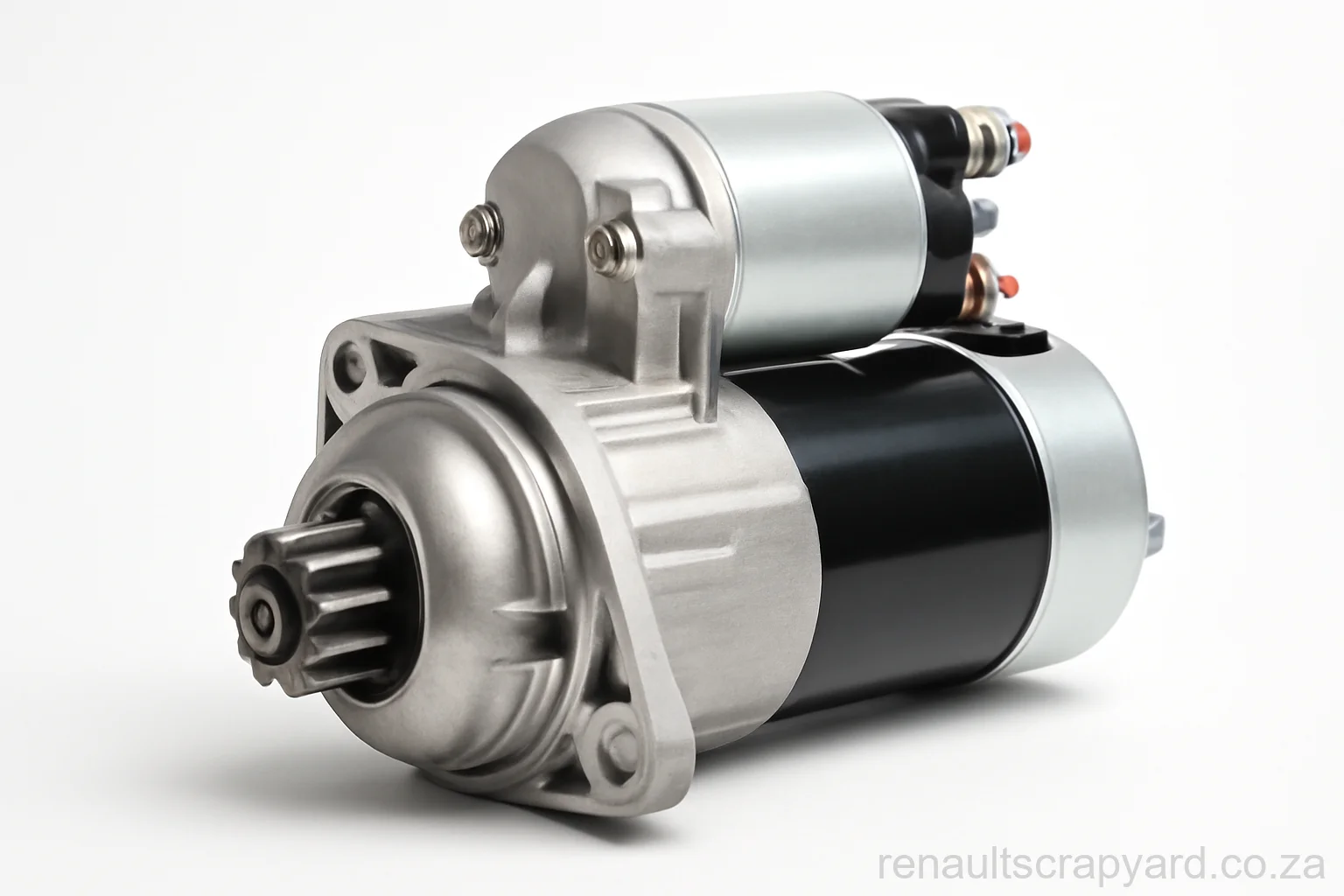
A Ranger that cranks sluggishly or won’t crank at all can trace back to the starter motor, the battery, or the wiring and safety-switch circuits that feed the starter. Diagnosing which layer is at fault before replacing parts saves both time and money.
Causes
- Worn starter motor brushes or solenoid
- Poor electrical connections at the starter
- Faulty ignition switch or clutch safety switch
- Engine earth strap problems
Symptoms
- Engine doesn’t crank when the key is turned
- Single click or rapid clicking from the starter area
- Starter motor cranks but won’t disengage
- Intermittent starting — works sometimes, not others
Solution
- Battery voltage test: Ensure 12.6V at battery terminals before cranking — below 12V means a fully discharged battery, not necessarily a starter fault
- Starter current test: Check amperage draw during cranking; excessive draw (over spec) suggests internal starter wear
- Connection inspection: Clean and tighten all starter connections — the earth strap from engine to chassis is a common overlooked culprit on high-mileage Rangers
- Switch testing: Verify the ignition and clutch/brake safety switches operate correctly
DIY Difficulty: Hard | Time: 2–4 hours
Safety Note
Always disconnect the battery before working on the starter motor. The starter draws very high current and connections can arc dangerously during removal.
4. Lighting Faults
Repeated bulb failures or flickering lights are usually a symptom of a charging-system problem rather than a lighting-specific fault — the root cause is almost always elsewhere in the electrical system.
Causes
- Voltage fluctuations from a failing charging system
- Poor earth connections causing resistance in lighting circuits
- Faulty light control modules
- Moisture ingress in light assemblies (common on Rangers used off-road)
Symptoms
- Bulbs blow frequently, especially headlights
- Flickering or dim lights at idle
- Some lights work intermittently
- Warning messages on the dashboard display
Solution
- Voltage stabiliser check: Ensure a consistent 12–14.8V supply across the lighting circuit
- Earth connection service: Clean and secure all earth points — a high-resistance earth creates voltage differentials that stress bulbs
- Module diagnostics: Scan for fault codes in light control systems using a compatible OBD2 scanner
- Moisture inspection: Check for water ingress in headlight and tail-light units, particularly after off-road use involving water crossings
DIY Difficulty: Medium | Time: 1–2 hours
5. Central Locking Issues
Central locking faults on the Ranger range from a single dead door actuator to a BCM (Body Control Module) fault that affects the whole locking system. Systematic isolation is the key to avoiding unnecessary parts replacement.
Causes
- Faulty door lock actuators
- Wiring problems in door harnesses (especially where the harness flexes through the door hinge area)
- Body Control Module (BCM) faults
- Key fob battery or programming issues
Symptoms
- Doors won’t lock or unlock with the remote
- Some doors work while others don’t
- Locking system operates erratically
- No response from the central locking button

Solution
- Key fob battery: Replace the CR2032 battery and reprogram the fob if battery replacement alone doesn’t restore function
- Actuator testing: Check individual door actuator operation by applying 12V directly — if the actuator moves, the wiring or BCM is the fault, not the actuator
- Wiring inspection: Look for breaks in the door harness at the hinge flex point — this is the most common single-door locking fault on high-mileage Rangers
- BCM diagnostics: Scan for fault codes and reset if required — some BCM faults resolve with a battery-disconnect reset
DIY Difficulty: Medium | Time: 1–3 hours
Preventative Maintenance Tips
Regular Electrical Maintenance
| Service Type | Interval | Components |
|---|---|---|
| Battery Test | Every 6 months | Voltage, load test, terminals |
| Charging System | Every 12 months | Alternator output, belt tension |
| Connection Service | Every 24 months | Clean, tighten, apply protective spray |
| Diagnostic Scan | Annually | Check for stored fault codes |
Critical Maintenance Items
- Keep connections clean: Prevent corrosion with a dielectric grease or protective spray — particularly important on coastal Rangers exposed to salt air
- Check belt condition: Replace if cracked or stretched; a worn alternator belt causes charging faults that are routinely misdiagnosed as battery or alternator failure
- Monitor warning lights: Address illuminated battery or charge warnings within 24 hours — a failing alternator can flatten even a new battery within a day of driving
- Professional diagnostics: Use proper scan tools for complex BCM or CAN bus issues; a generic OBD2 reader won’t read all Ranger-specific fault codes
Parts Cards — Most Frequently Replaced Ranger Electrical Components
Ford Ranger Battery
70Ah and 95Ah batteries for all Ranger variants. The 2.2L TDCi draws high current on cold starts — the correct capacity battery prevents premature alternator wear from repeated deep-discharge recovery cycles.
Ford Ranger Alternator
150A (2.2L) and 180A (3.2L) alternators — the most common source of persistent battery drain on Rangers that have already had their battery replaced. We stock both new and quality-tested used units.
Ford Ranger Starter Motor
Gear-reduction starter motors for the 2.2L and 3.2L TDCi Ranger. When the solenoid clicks but the engine won't crank, the starter is the first component to test before condemning the battery or wiring.
Ford Ranger Wiring Harness
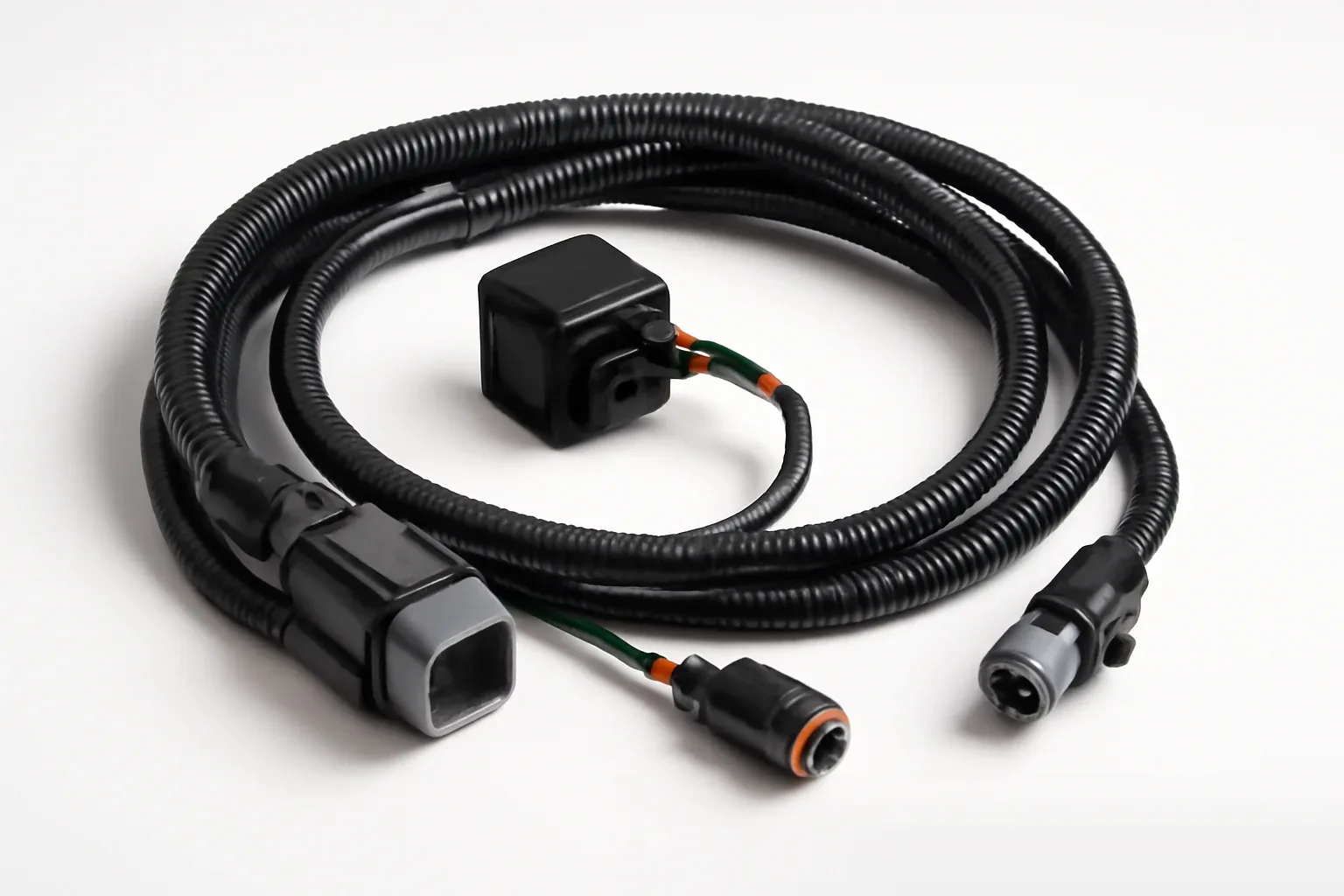
Door harnesses, engine loom sections, and connector repair kits for Ranger electrical faults. A broken conductor in the door harness is the most misdiagnosed central-locking fault — often replaced with an actuator that isn't faulty.
Cost Breakdown for South African Market
Parts Costs (ZAR)
- Battery (70Ah): R1,500 – R2,500
- Alternator: R3,000 – R5,500
- Starter motor: R2,500 – R4,000
- Door lock actuator: R800 – R1,500
Labour Costs
- Electrical diagnosis: R600 – R1,200
- Battery replacement: R200 – R400
- Alternator replacement: R800 – R1,500
- Starter motor replacement: R600 – R1,200
FAQ
How long should a Ford Ranger battery last?
A quality battery should last 3–5 years under normal South African conditions. Extreme temperatures, short daily commutes (under 15 km), and aftermarket electrical accessories can reduce battery life significantly. If your Ranger is mainly used for short trips, consider a battery tender or trickle charger to prevent chronic partial-discharge that shortens battery life.
Why does my Ford Ranger battery keep dying?
The most common cause is a parasitic draw — something in the vehicle continuing to draw power after the ignition is switched off. It could be a stuck relay, a faulty switch, a short circuit in the wiring, or even a FordPass-connected module staying active on the CAN bus. Measure current draw with the vehicle off using a multimeter; normal is under 50mA. A draw over 100mA confirms parasitic drain. Pull fuses one at a time to isolate the circuit.
Why does my Ranger’s alternator keep failing?
Common causes include poor belt maintenance (a slipping belt causes the alternator to work harder and overheat), contamination from off-road dust or water exposure, and electrical overload from aftermarket accessories such as roof-rack lighting bars, winches, or fridges that regularly push the alternator beyond its rated output. The 2.2L’s 150A alternator leaves little headroom if you’re running a heavy accessory load.
Can I jump-start my Ranger safely?
Yes, but follow proper procedure on modern CAN-bus Rangers. Connect positive to positive first, then negative to a solid earth point on the receiving vehicle away from the battery — never directly to the dead battery terminal. On newer Ranger models with stop-start technology, use a proper jump starter rather than another vehicle; the voltage spike from a running engine can stress the BCM.
What causes rapid bulb failure in my Ranger’s headlights?
Almost always voltage fluctuations from a failing voltage regulator inside the alternator. The regulator should hold the system at 14.2–14.8V — if it spikes above 15V, filament and LED bulbs fail prematurely. Check alternator output voltage before buying replacement bulbs; fitting new bulbs without fixing the voltage problem means they will blow again within weeks.
How do I reset the central locking system?
Try disconnecting the battery negative terminal for 15 minutes, then reconnect. This resets the BCM and often resolves intermittent locking faults caused by a software glitch. If problems persist, professional diagnostics are needed to read BCM fault codes. Note that a battery reset may require reprogramming the key fob — hold the lock button within 1 metre of the vehicle for 3–5 seconds after reconnecting.
What are the common electrical problems in Ford Rangers?
The five most reported electrical faults on the Ranger are: battery drain from parasitic draw or a failing alternator; charging system failure causing repeated battery discharge; starter motor faults producing a clicking non-start; lighting circuit faults from voltage spikes or poor earth connections; and central locking issues from door harness breaks or BCM faults. Most can be diagnosed at home with a basic multimeter before committing to workshop time.
Is the Ford Ranger reliable in South Africa?
The Ford Ranger is one of South Africa’s best-selling bakkies precisely because it is dependable as a daily driver and as a work vehicle. The 2.2L TDCi engine has a strong reliability record when serviced on schedule. Electrical faults are the most commonly reported issue category, but most are traceable to normal component wear (alternator brushes, battery aging) rather than design defects. Rangers used primarily for short urban trips tend to develop electrical issues faster than highway-driven vehicles, simply because the alternator never gets sufficient charge cycles to fully recover the battery.
Are Fords generally known for electrical problems?
Ford vehicles, like most modern multi-brand vehicles, can develop wiring and connection issues as the vehicle ages — corroded terminals, chafed harness sections, and degraded connector seals are the common culprits rather than fundamental design faults. The Ranger’s electrical architecture is more complex than older Bantam or Courier models because of the CAN bus network, but this also means diagnostic tools can pinpoint faults accurately. Keeping connections clean and addressing battery or alternator warning lights promptly prevents the majority of cascading electrical faults.
Conclusion
Ford Ranger electrical problems can range from simple battery issues to complex CAN-bus electronic system faults. Many problems can be prevented through regular maintenance — keeping connections clean, replacing ageing batteries proactively, and addressing warning lights within 24 hours of illumination. For complex diagnostic work, proper scan tools and workshop expertise are often required. Owners of Ford’s petrol hatchbacks encounter their own electronics-adjacent headaches — central locking faults documented here mirror those found in our Fiesta problems guide, which covers BCM and actuator failures in similar detail.
Early diagnosis is key to preventing expensive component damage and ensuring reliable operation of your Ranger’s electrical systems. The Ranger shares its T6 platform, engines and 10-speed automatic with the Everest, so if you also run the SUV it is worth reading up on the Everest’s common faults — wet belt, coolant intrusion and 10R80 shudder. Browse the full Ranger parts catalogue for any component you need. For fast sourcing, call 010 230 0168, WhatsApp 078 574 3998, or email partsoncall123@gmail.com.
Affected Ford Models
Related Parts
Need Ford Parts?
Get quality used Ford parts delivered anywhere in South Africa
Share this article
Related Articles
Ford Bantam Common Problems: 8 Faults Every SA Owner Should Know
The 8 most common Ford Bantam problems in South Africa — Rocam engine faults, immobilizer lockout, timing chain rattle, and more with real ZAR repair costs.
Ford EcoSport Common Problems: Wet-Belt Recall 23S64, PowerShift 6DCT250 & the SA Half-Shaft Recall (Owner's Guide)
Complete SA owner's guide to Ford EcoSport problems — Ford 23S64 oil-pump-belt recall, 1.0 EcoBoost wet timing belt, PowerShift 6DCT250 dry-clutch judder, the 2025 Ford SA 25S12 front-half-shaft recall (2,806 SA units), DPF clog on the 1.5 TDCi, SYNC recall and shock-absorber wear. Real repair costs in ZAR.
Ford Everest Problems: 5 Faults Every SA Owner Must Know (Owner's Guide)
The 5 most common Ford Everest problems in South Africa — 2.0 Bi-Turbo wet timing belt, 3.2 TDCi coolant intrusion and cracked block, 10R80 10-speed shudder, DPF clogging and the July 2025 V6 camshaft sprocket recall, with real ZAR repair costs.